As If Always There
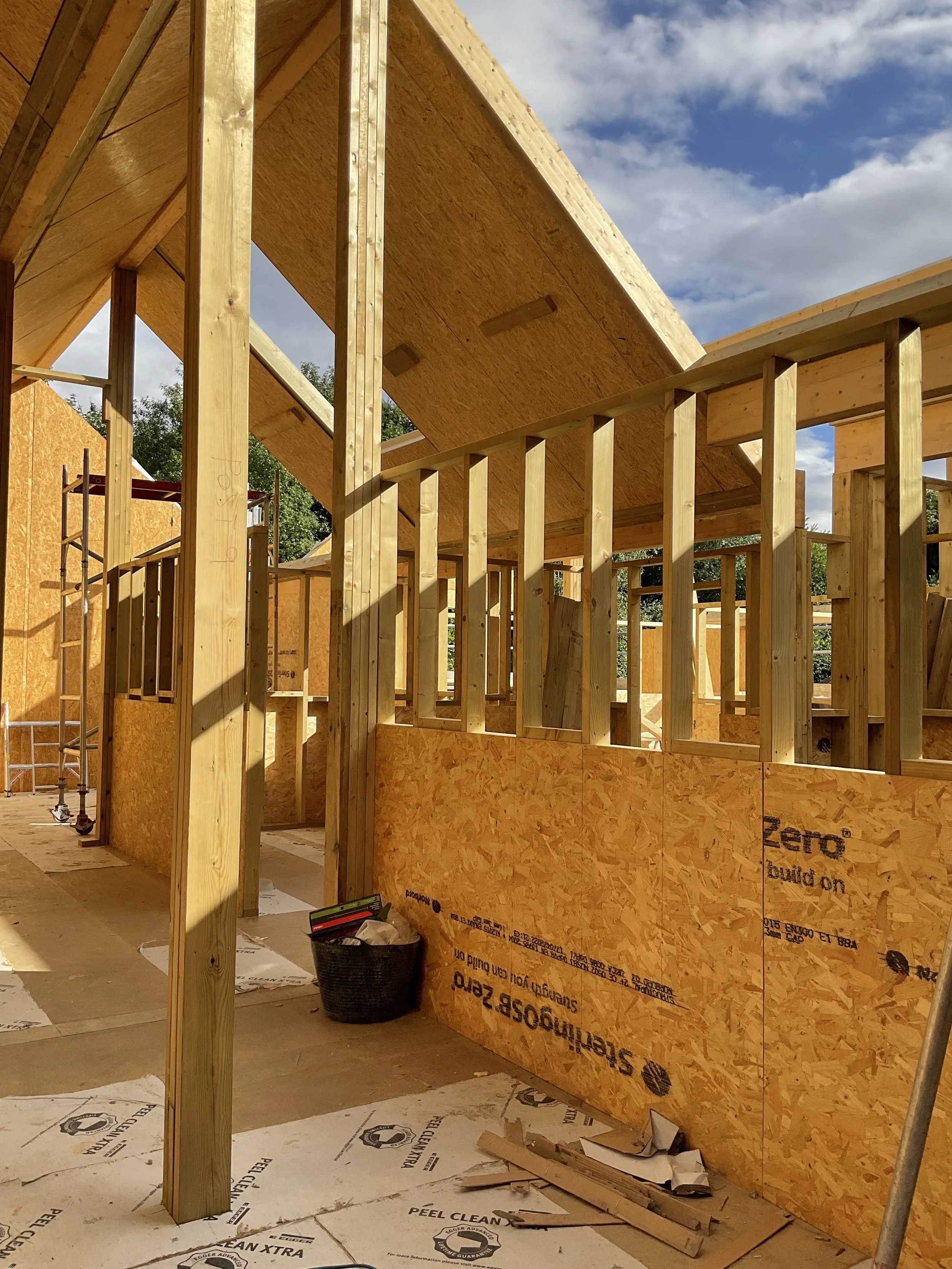
Beginning with a blank slate, how do you create the same sense of belonging and permanence for something that has never existed before?
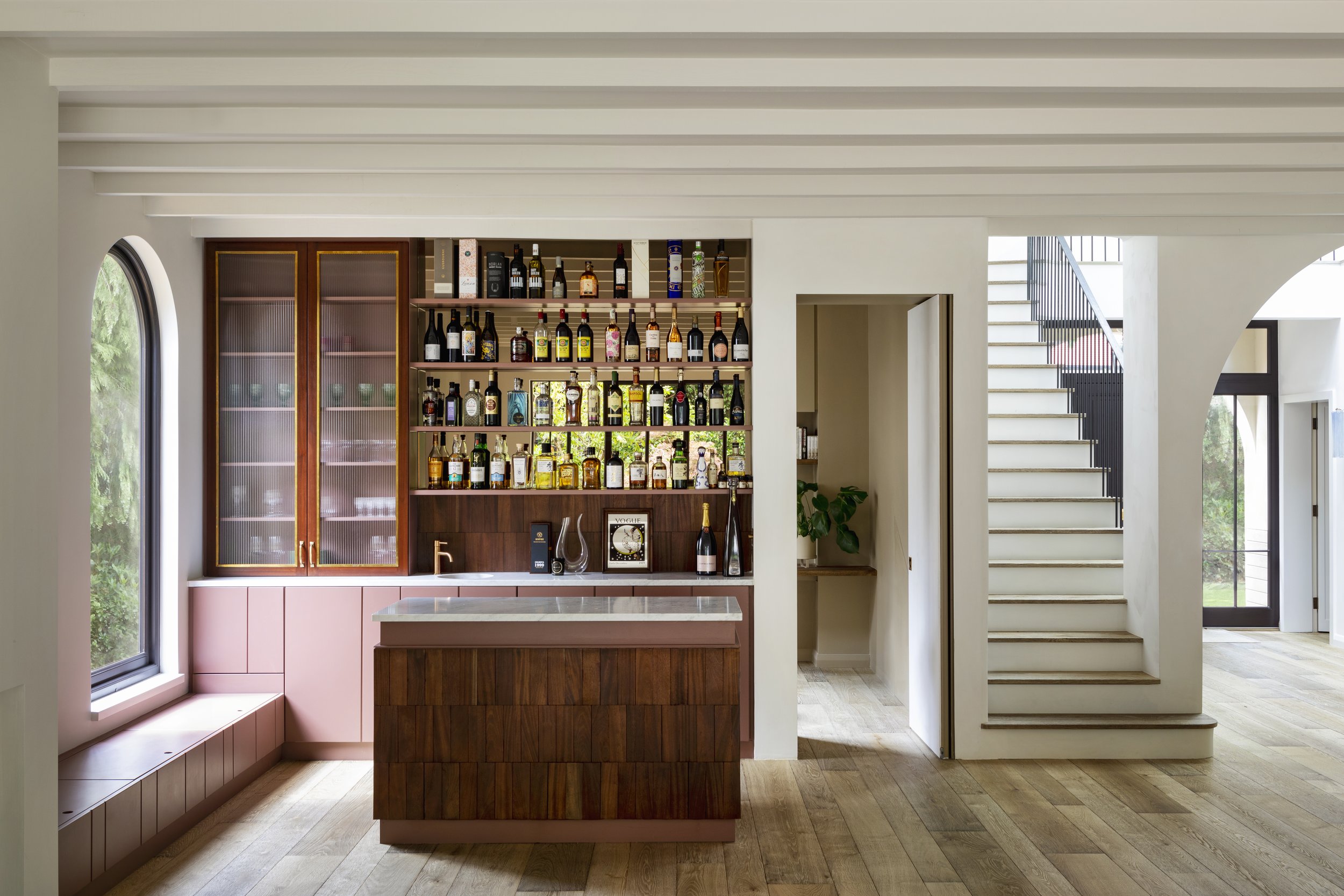
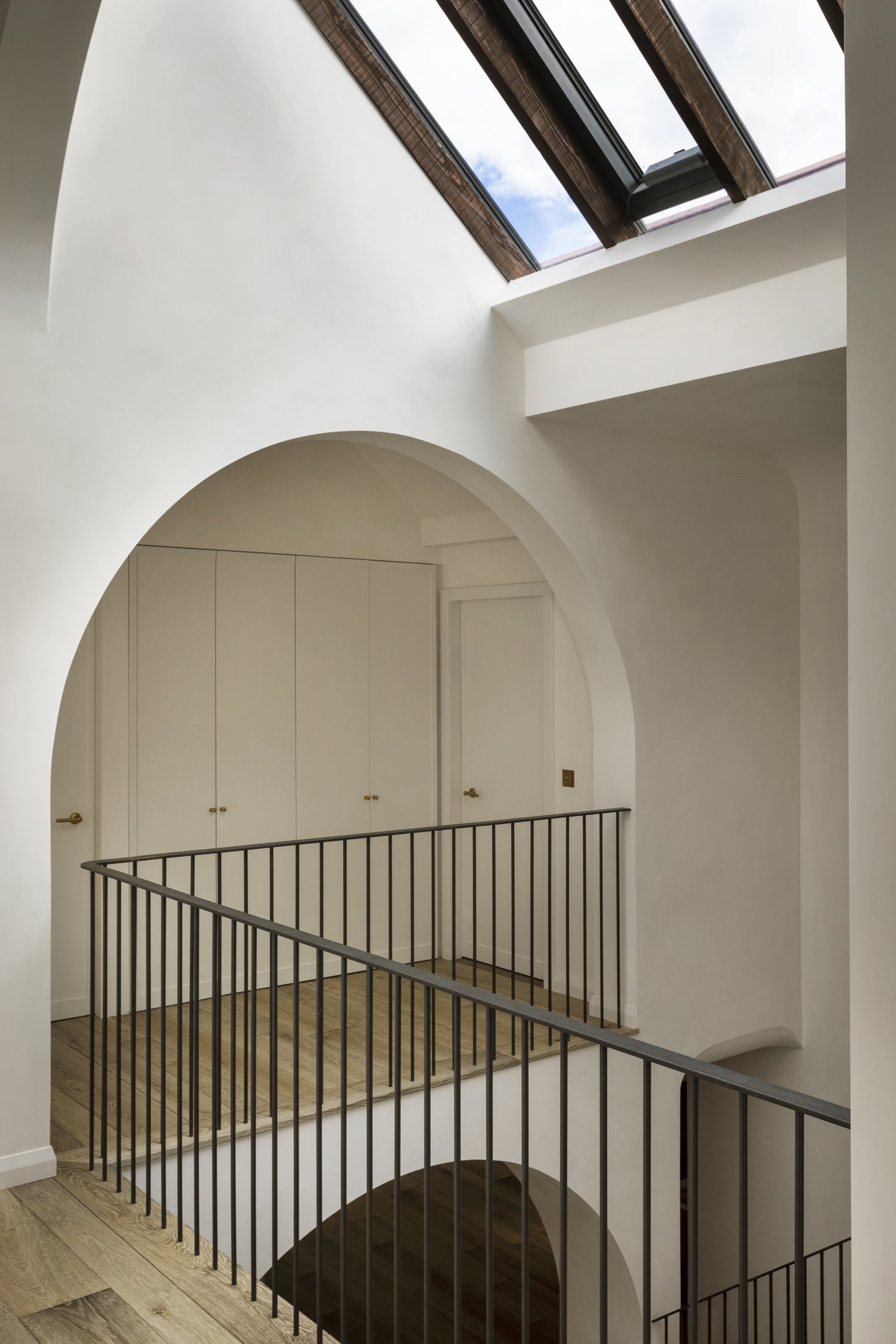
a new-build project present a different challenge. Beginning with a blank slate, how do you create the same sense of belonging and permanence for something that has never existed before? how do you do it without becoming artificial or contrived? Rather than inventing a sense of history through imitation - whether Georgian, Mid-Century, or even the architecture of yesterday - we seek permanence through more subtle means. It begins with shifts and moments of differentiation sometimes small but also much larger: a carefully considered change in the structural rhythm of the ceiling joists, space defining arches that are not quite the same as one another, and a careful calibration of spaces, relationships and proportion. These are the qualities that allow a house to feel natural rather than novel.
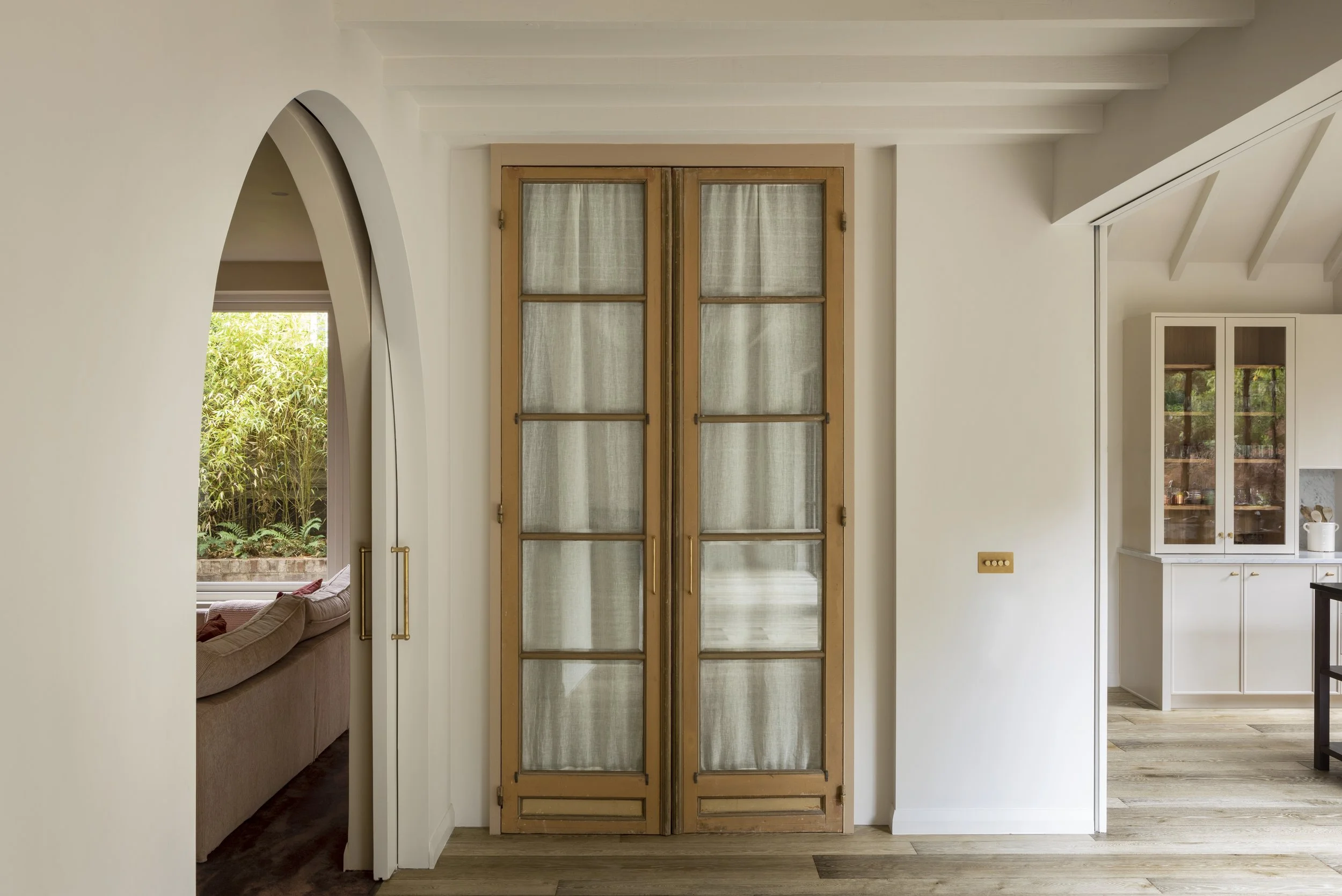
The same thinking extends to materials. We are often drawn to unexpected juxtapositions, paying close attention to their texture, patina and the way they will age together over time. We favour unlacquered brass, carefully chosen timbers and natural stone because they acquire richness through use. We also like to introduce things that already carry a story of their own - reclaimed timber flooring from the 1970’s, or a door discovered at a flea market in France. It is always a careful balance, what we think of as a choreography, ensuring that nothing feels forced or over-composed.
From there, we rely on time itself. Honest materials weather, soften and deepen with use. Timber darkens, stone records the traces of everyday life, as the house begins to accumulate its own history.
Our ambition is never to make a new house look old, but to give it the permanence of a place that feels rooted from the beginning. The architecture should possess enough richness, variation and generosity to welcome the life that follows. An open, adaptable plan allows the house to evolve with its occupants, while carefully chosen materials record the passing years while contributing to the character of the house. In this way, the building is not given a history; it is set up to make one of its own.