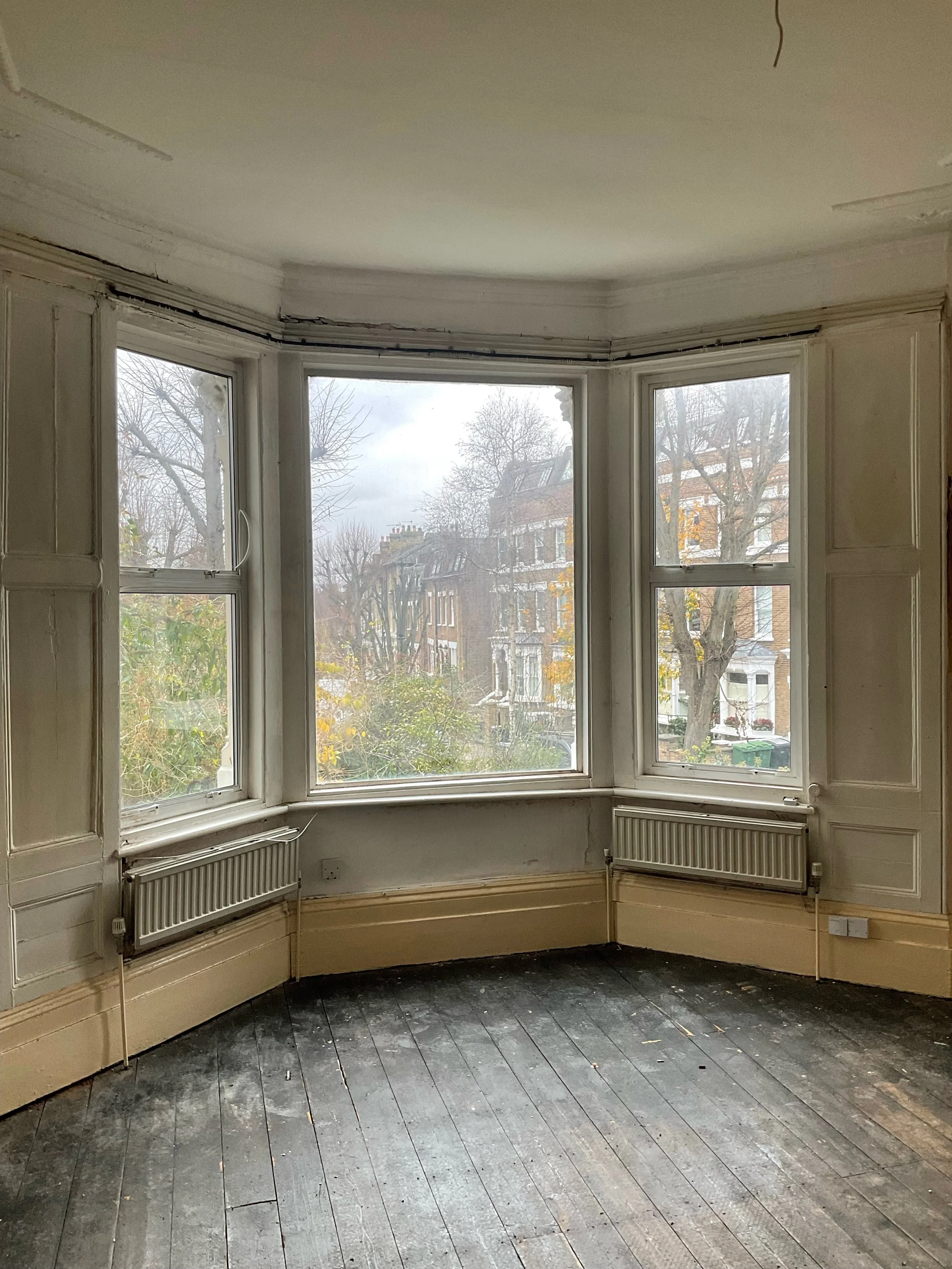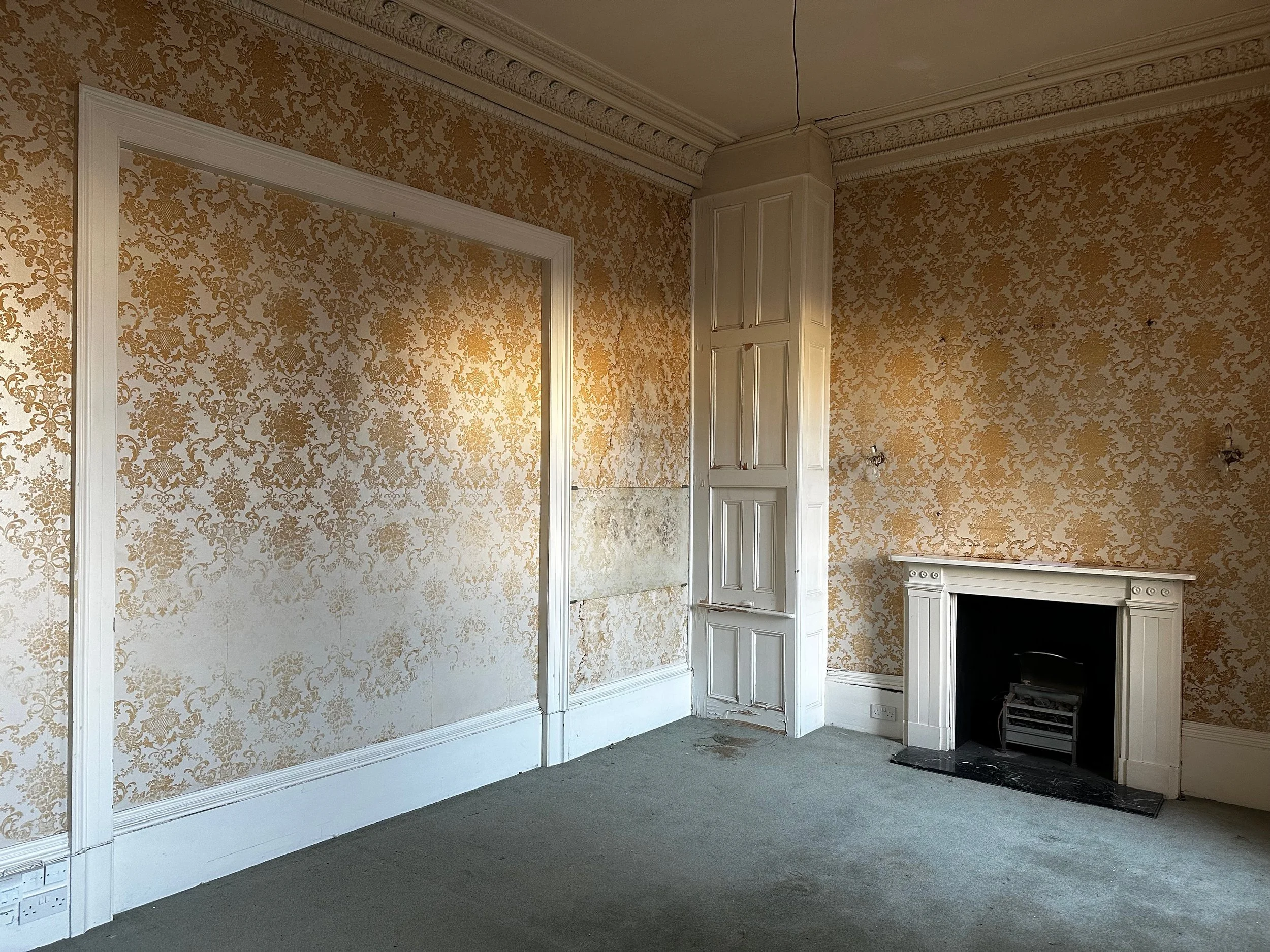
‘I like to think of houses as having a soul. This is something I often speak of with our clients, particularly on entering - for the first time - what will ultimately become their family home.’
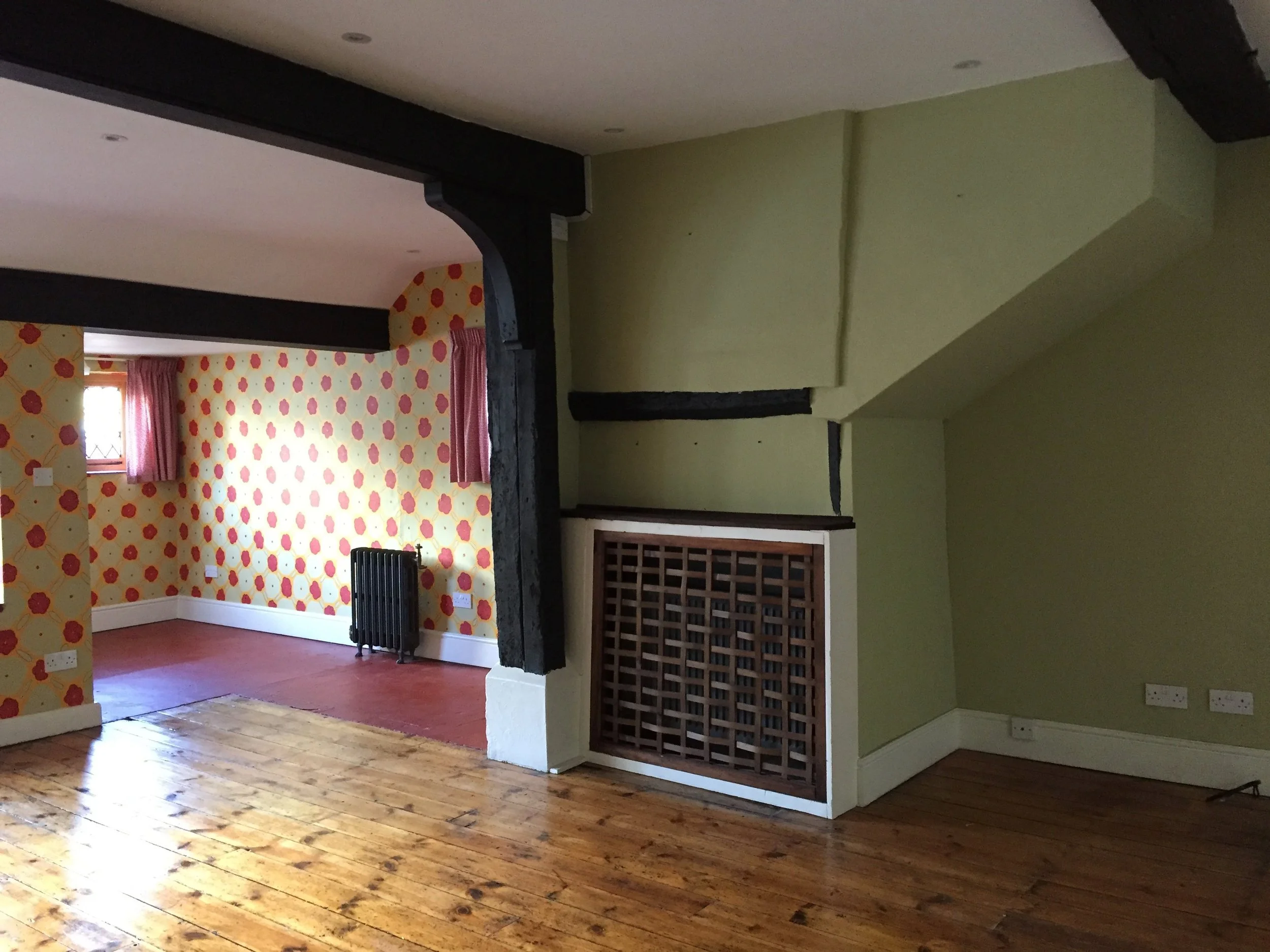
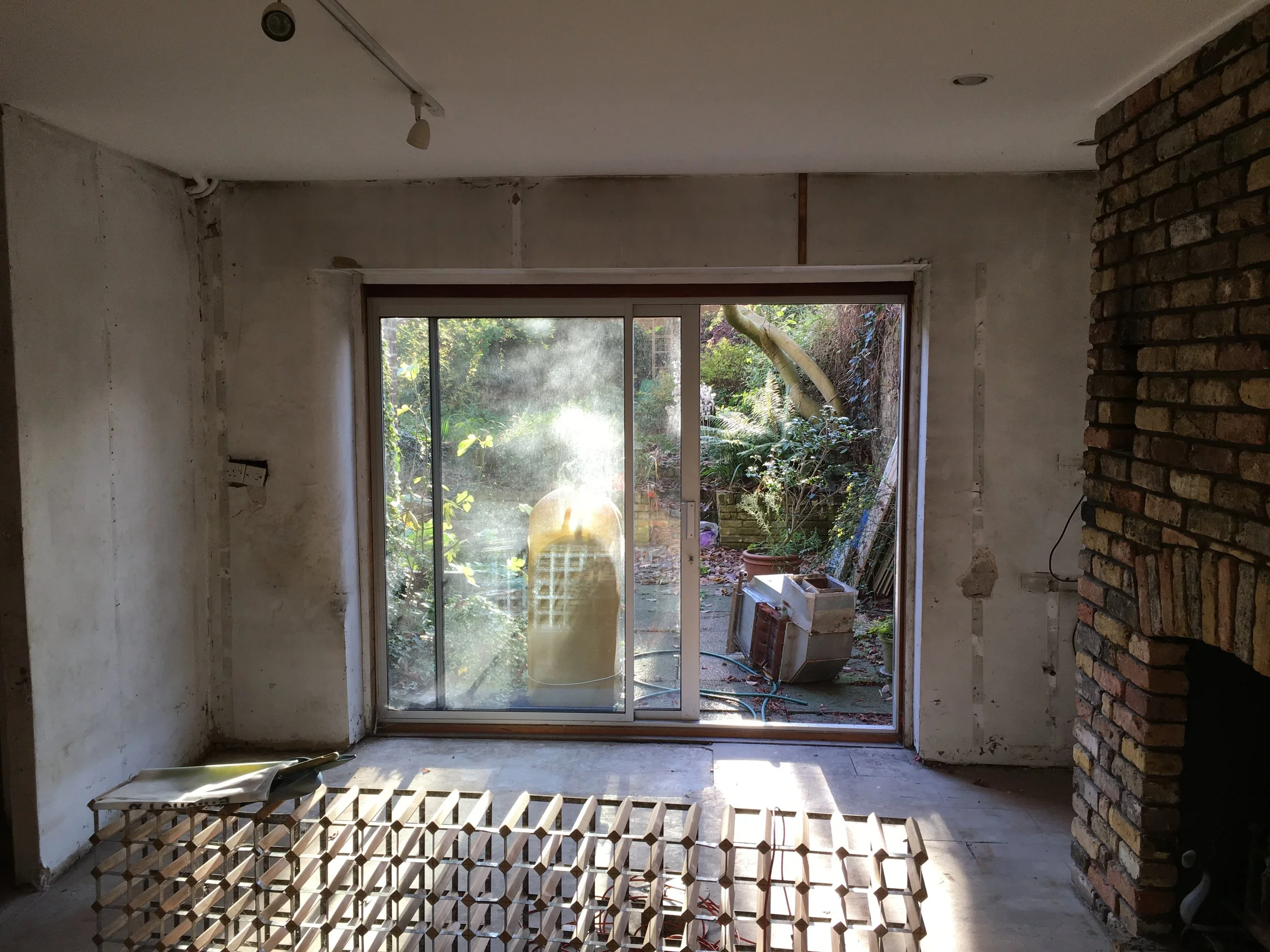
Opening the door, pushing aside unopened mail on the floor, passing the bare-bulbed pendant, the splitting wallpaper like rings on a tree reveal other layers from other times, the markings of where there was once a sofa, wall hanging, circular ring from a candle on the mantelpiece. The air is stale with a faint cocktail of smells that change from room to room - mixing in varying measure carpet, linoleum with the settling in of dust, damp and decay. On a warm day the presence is stronger than when it’s cold. Higher temperatures have the effect of exciting more odour-releasing molecules into the air and into your nose.
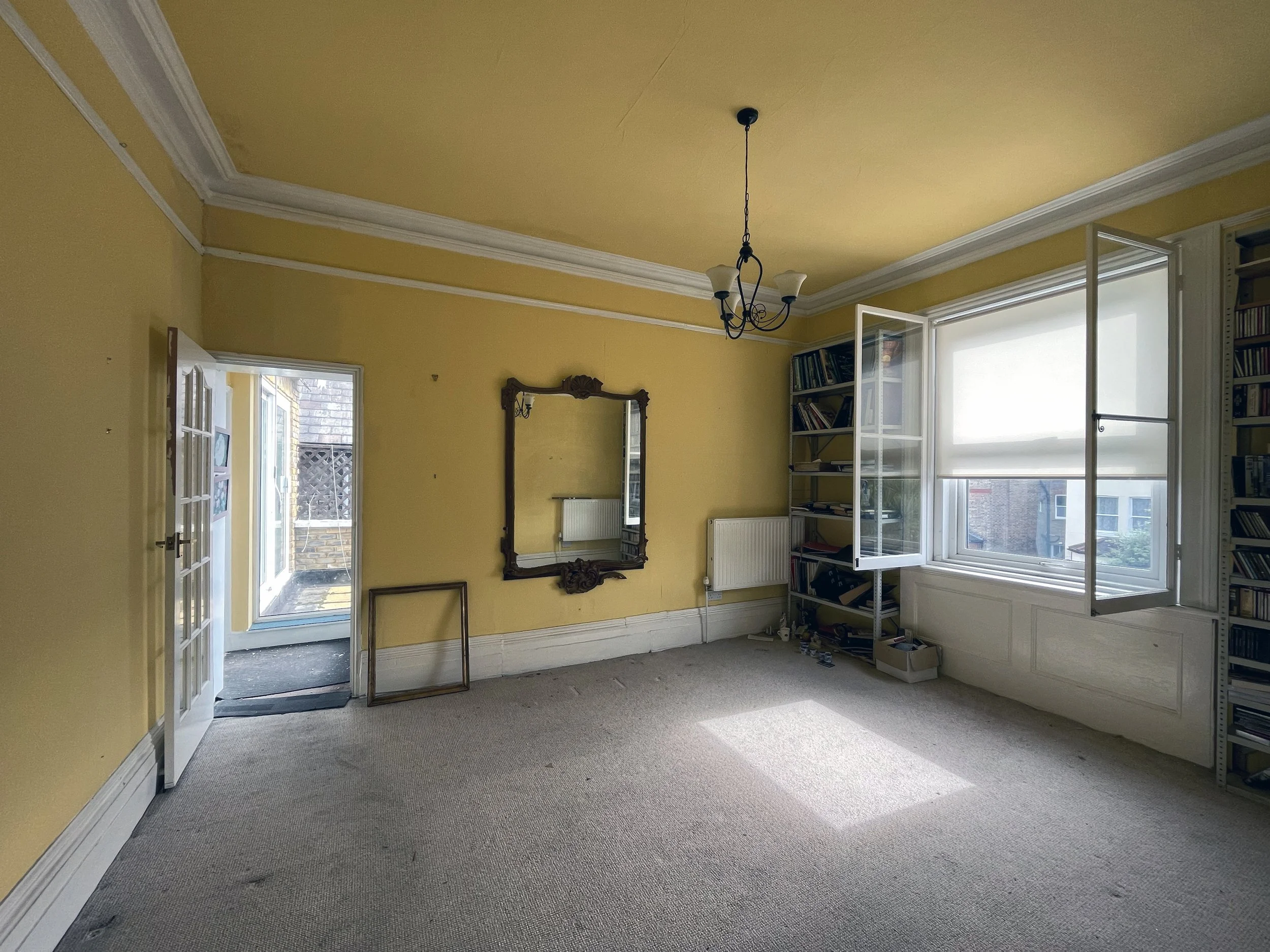
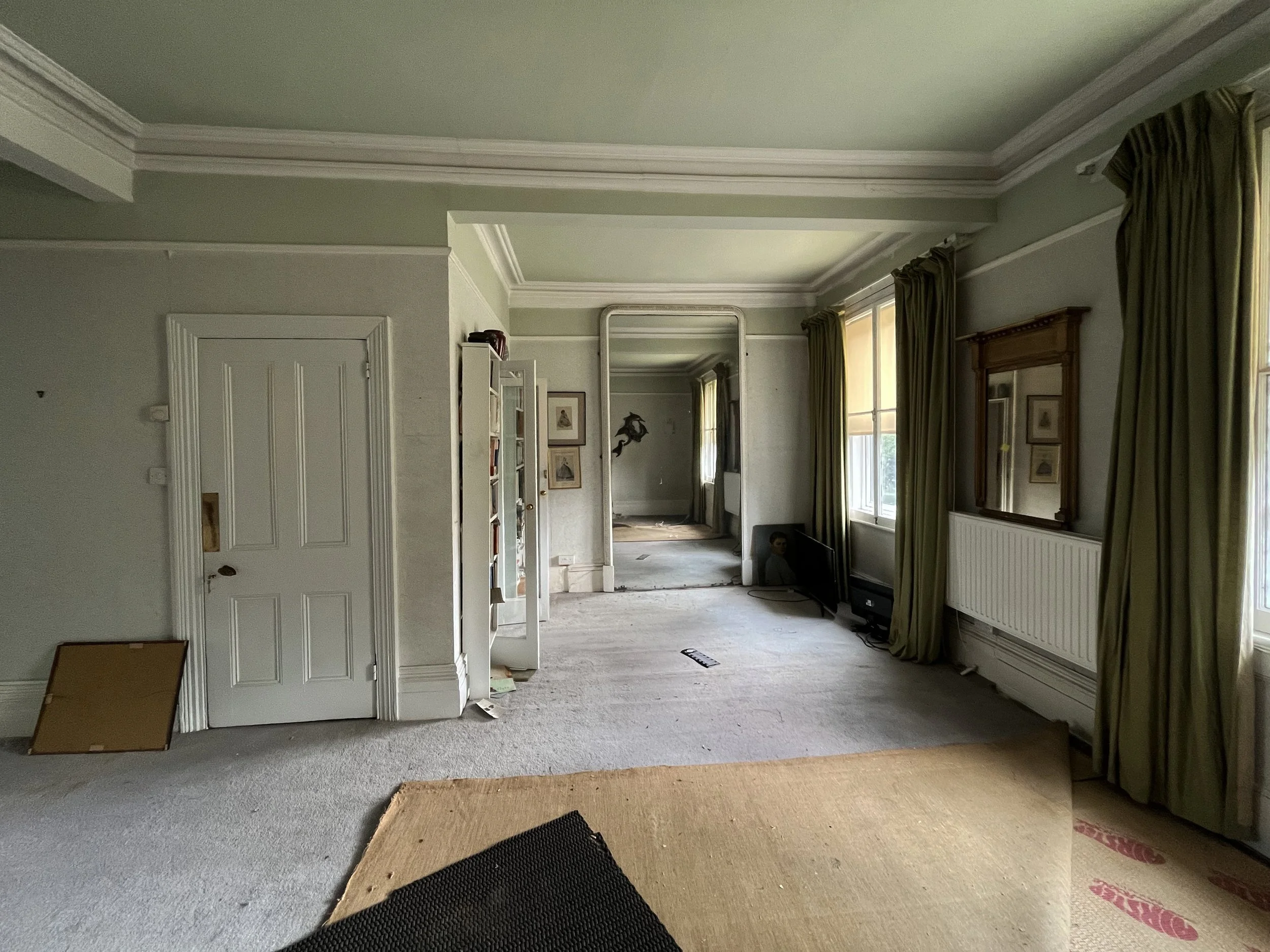
You step on a raised Victorian floorboard below, creaking muffled under the carpet as you walk through the bedroom door. Something that was bothersome for so many years but no one quite got ‘round to repairing. “I’ll do it tomorrow,” he so often said. There are signs of both deep occupation and the flurry of departure made clear by things left behind - a spare kitchen chair, a few unrecognisable Penguin titles of fiction from the 1970’s, a stack of faded snapshots from a wedding, a decorative gilded mirror leaning against the wall, a box of random parts and pieces, finding themselves together as they had nowhere else to belong. These things, unwanted, forgotten or deliberately left behind, with no space left in the van.
At this moment, the house sits empty, yet remains surprisingly full. We all sense this in one way or another. Some with the feel for the paranormal. I feel it with an architect’s forensic eye, something I’ve come to sharpen with all the houses I’ve visited over the years. As a profession, it’s part of our DNA and job description to be curious and aware of our physical surroundings. I like to think that reading the room is a foundation for good design, not only to ensure to respond sensitively but, for me, there is the particular ambition to keep the heritage of the house alive. This is where the soul lives.
Perhaps more than any other form of architecture, houses touch the past in a profoundly intimate, human way. Because of what they are, they hold a unique power above all other types of architecture - offices, museums, hotels, restaurants. The home is deeply personal: it is where we sleep, eat, gather with friends and family. It’s where we return to daily, spending the majority of our lives. In time, with the front door opening and closing onto this compartmented box we call a home, layers in time are building. It shelters not only us but the things we own, carrying memories through photographs, books, inherited furniture, the accumulated fragments of our lives. They absorb routines, mark change, and bear witness to so much of what we do. Houses shape us as much as we shape them.
Some houses project an essence that is strong, even complex, while others are faint with very little to say. Silent. The essence arises in degrees from the overpowering to the hardly legible. There are also those that seem to have no soul at all. On the face of it, I like seeing well-kept homes not afraid to hold things that others may find old or get tired of, or simply out of fashion. This form of preservation seems to be most often the case when someone has been there for more than a generation. An older couple or a widow are these houses’ natural custodian.
There is something that happens as we get older, not wanting, needing, or having the energy to change. We grow into our homes like bears in a den. I have been in houses that are like capsules in time, where you can still see the 1970s in the wallpaper, flooring, pictures on the wall, metal kitchen cabinets as well as an olive green toilet with appropriately matching floral tiles. While not new, all is well kept, hoovered and dusted on a weekly basis. Whatever its state of repair, I’m fascinated by houses without the eagerness to refurbish and replace due to convenience, nostalgia or lack of funds to renovate again. We have done work on many houses like this. These are the ones with the greatest complexity. I have been to many of them, including my grandparents’ house in Germany as well as my wife’s ‘second mother.’
On entering a well-held house, especially those Georgian and Victorian ones we’ve worked on over the years, I’ve come to develop the habit of a speed read, instinctively scanning for those residues of living - the signs that make particular places particular ... as well as finding in them those things that make the typical, typical. Measuring the unusual with the usual, fast and slow. They come in different forms. Some more beautiful, some less so, but all of them speak. Laid out before me from the markings on the wood floorboards, paint lines on the stairs where there was once a carpet runner, the blackened wall behind what was once the stove. Children’s heights, marked year after year on a bit of wall behind the door to the kitchen. Each line dated and with initials. Picture hooks still in place, the discolouration of smoke having risen for decades through a chimney, the wear in a stair tread. With no one home to tell their story, you figure things out and imagine too, coming to conclusions as to whether they were entrenched here for twenty, maybe forty years or just a temporary hold-over tenant before moving on.